

 Türkçe
Colorectal surgery is the surgical specialty that includes the diagnosis and treatment of diseases of the colon, rectum, and anus. This field is of critical importance in the surgical management of conditions such as colorectal cancers, inflammatory bowel diseases, and diverticulitis.
Colon surgery is performed to remove benign or malignant lesions. Resections performed with laparoscopic and robotic techniques preserve intestinal integrity, enabling faster recovery and lower complication rates. The surgical plan is determined according to the stage of the disease.
Rectal surgery is used in the treatment of diseases such as rectal cancer and prolapse. Advanced techniques such as total mesorectal excision (TME) aim to ensure complete tumor removal in accordance with oncologic principles and to reduce the risk of recurrence.
Anal region surgery covers the treatment of anorectal diseases such as hemorrhoids, fistula, and fissure. Interventions performed with minimally invasive methods and laser techniques reduce pain and recovery time, improving the patient’s quality of life.

Rectal Cancer Surgery

Colon Resection
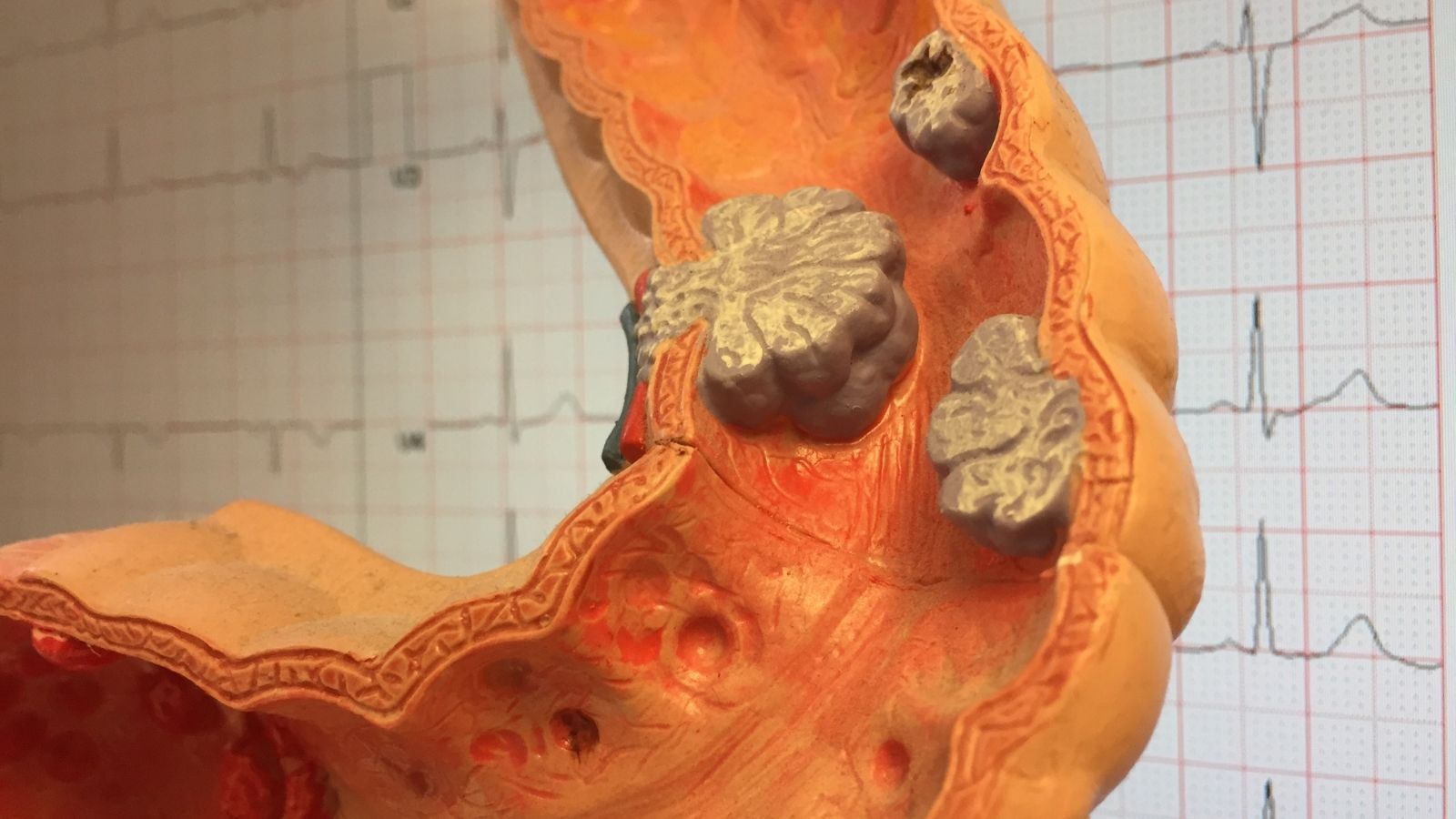
Diverticulitis Surgery
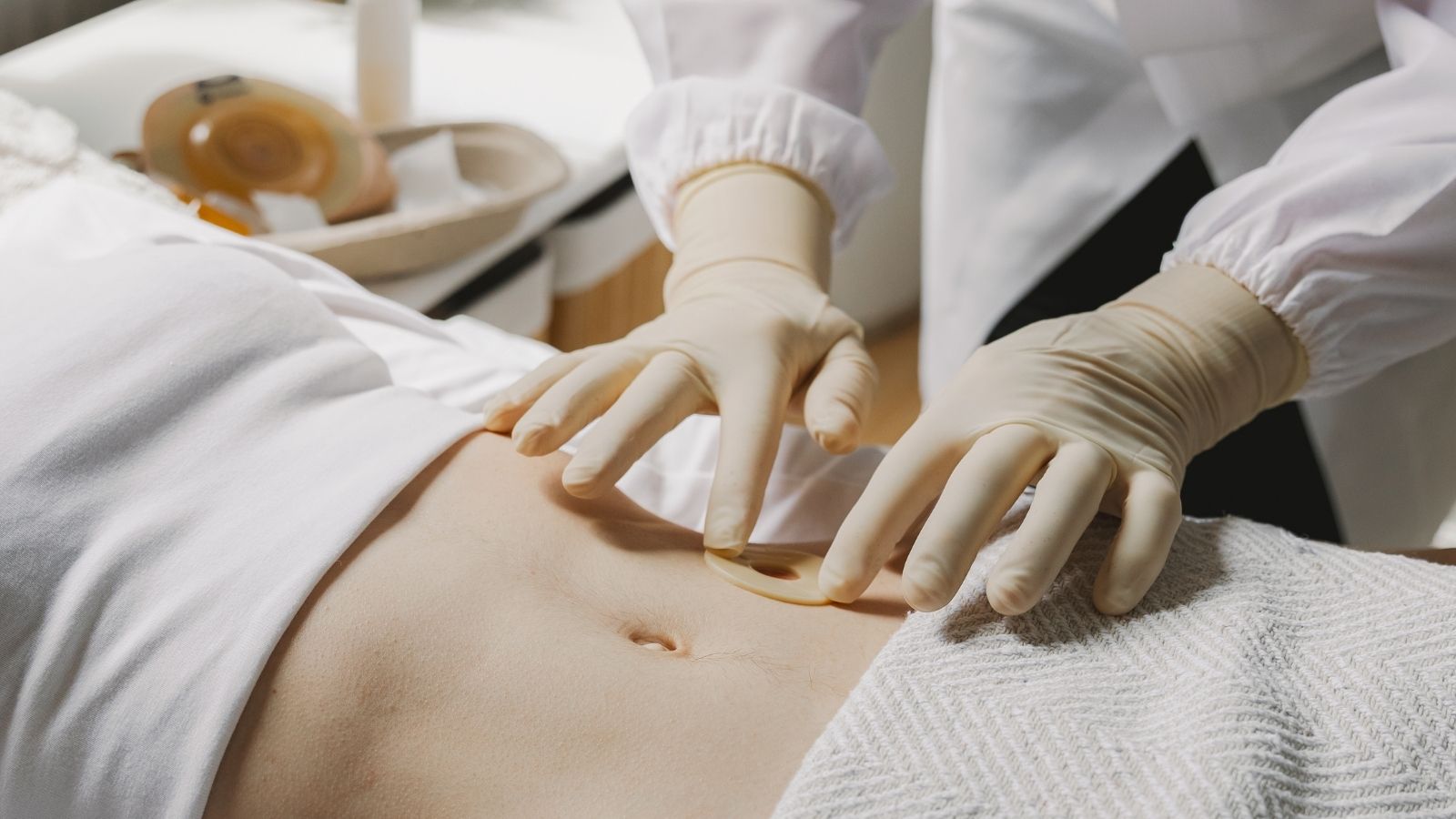
Colostomy
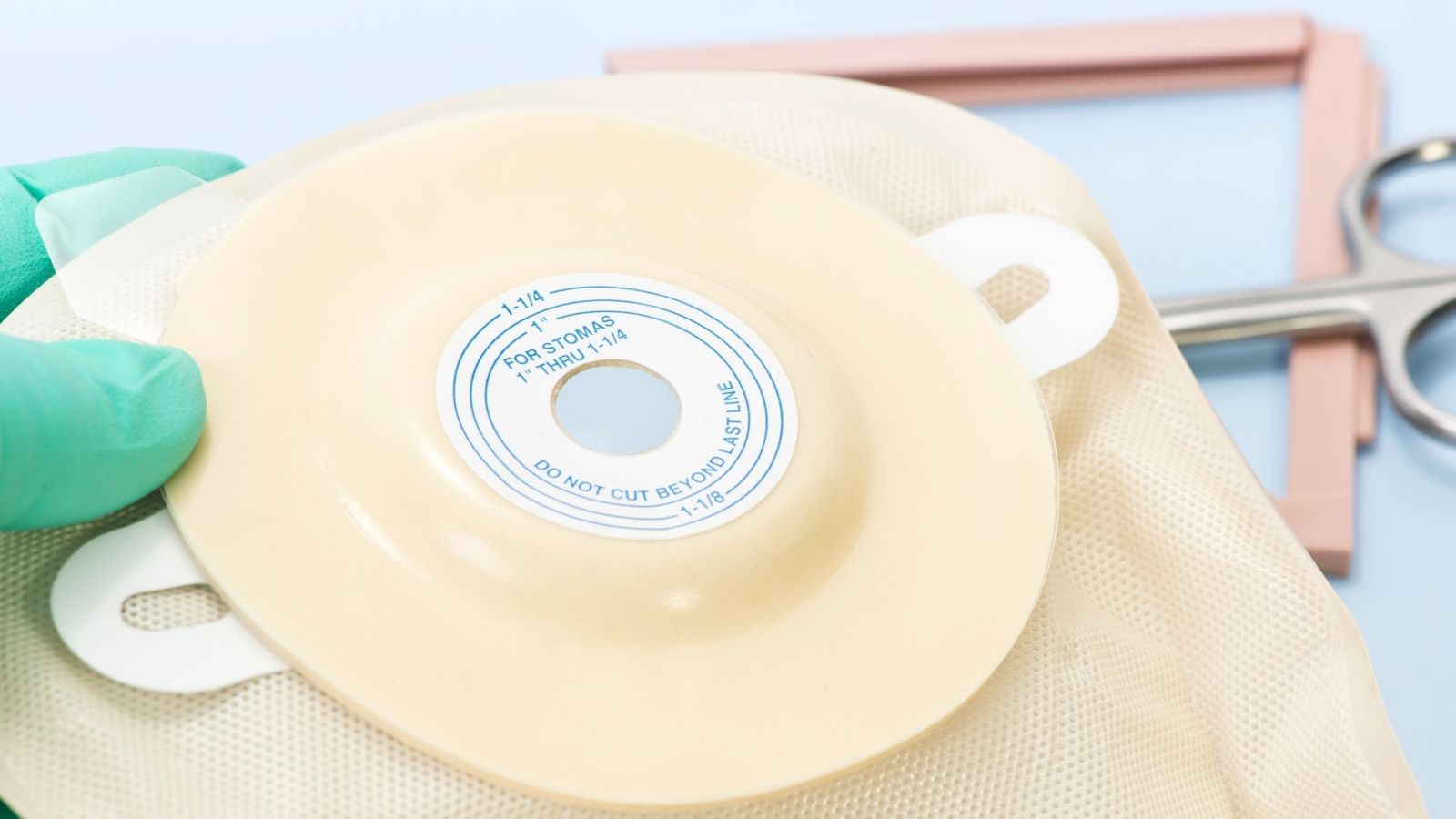
Ileostomy

Stoma Closure Surgery
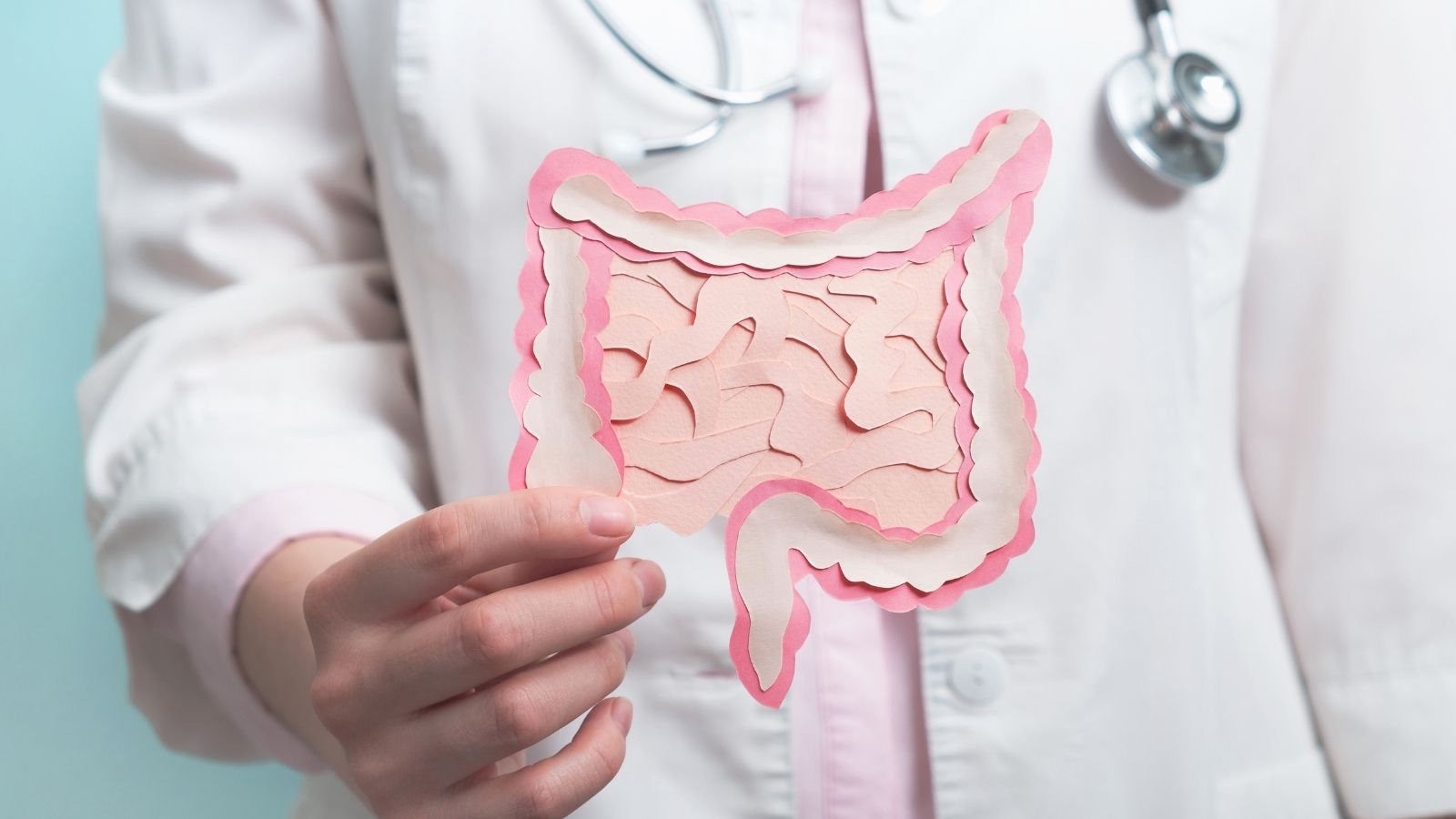
Small Intestine Surgery

Appendix Cancer Surgery

Appendectomy
You can get information about Colorectal Surgery prices, the process, and the hospital where Colorectal Surgery is performed by contacting Assoc. Prof. Dr. Aydıncan, one of the doctors performing Colorectal Surgery in Ankara.

Assoc. Prof. Dr. Aydıncan Akdur
General Surgery Specialist
I graduated from Cumhuriyet University Faculty of Medicine in 2002. In 2009, I completed my General Surgery specialization at Başkent University. After working at Elmadağ State Hospital, I began working at Başkent University; I became Assistant Professor in 2014 and Associate Professor in 2021. Between 2015 and 2022, I served as the Responsible Physician of the Kidney Transplant Center at Başkent University Konya Hospital. I have participated in more than 1,000 kidney transplants, nearly 300 liver transplants, and close to 2,500 surgeries.
Between 2022 and 2025, I provided services at Bayındır Healthcare Group.
Since 2023, I have been serving as the Head of the Department of General Surgery at Ankara Medipol University.
I am actively accepting patients at Ankara Private 100th Year Hospital and my private clinic.
About Me ContactWhat Is Colorectal Surgery?
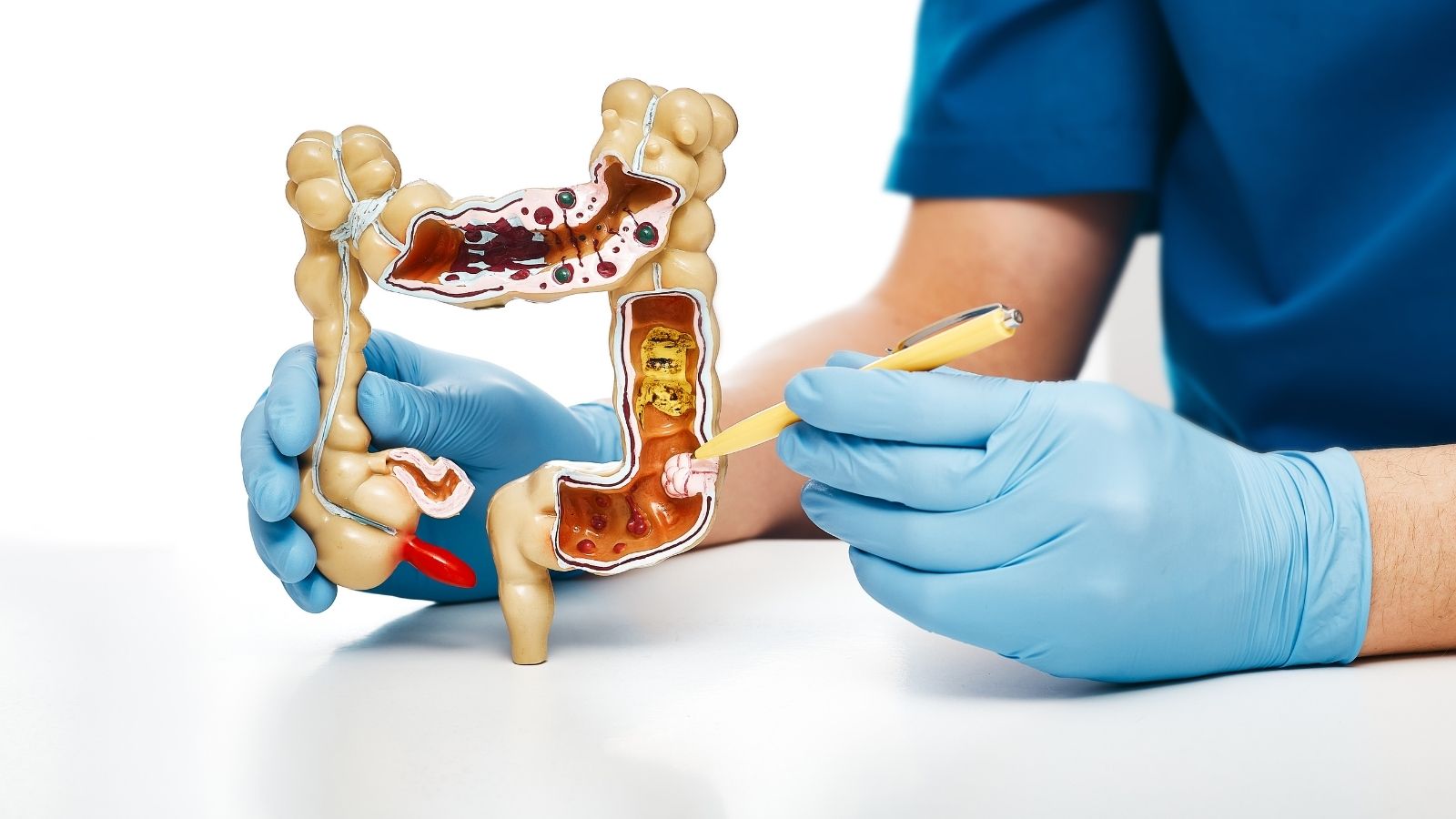
Colorectal surgery is the surgical specialty specialized in the diagnosis and treatment of diseases of the large intestine (colon), rectum, and anus. In this field, conditions such as colorectal cancers, diverticulitis, inflammatory bowel diseases, polyps, fistulas, and hemorrhoids are treated with surgical methods. Open or laparoscopic techniques may be used. Colorectal surgeons work with multidisciplinary teams in the management of both cancer and benign diseases.
Why Is It Important to See a Colorectal Surgery Specialist?
As in any surgical field, experience and focused expertise in colorectal surgery directly affect patient outcomes. A colorectal surgery specialist is a physician who, after completing general surgery training, has devoted years to understanding and treating diseases of this specific region. This additional specialized training provides much deeper knowledge and skill beyond that of a standard general surgeon regarding the complex anatomy, physiology (how it works), and diseases of this region.
These specialists’ competence is not limited only to manual skill in the operating room. They are also proficient in the special methods required to make the correct diagnosis and to chart the most appropriate treatment pathway. Some important competencies a colorectal surgery specialist has include:
- Advanced endoscopic procedures (colonoscopy, sigmoidoscopy)
- Endoscopic removal of polyps
- Special intrarectal and anal ultrasonography (ERUS)
- Functional tests such as fecal incontinence or chronic constipation
- Treatment of complex anorectal diseases
- Multidisciplinary team management in cancer treatment
Especially in complex conditions such as cancer, the colorectal surgeon works like an orchestra conductor. By bringing together specialists from different fields such as the medical oncologist (drug therapy specialist), radiation oncologist (radiotherapy specialist), radiologist, and pathologist, they ensure that a personalized treatment plan is created for each patient. Scientific studies clearly show that especially challenging surgeries such as rectal cancer operations, when performed by specialized surgeons and in high-volume centers focused on this field, both reduce the risk of cancer recurrence and better preserve the patient’s quality of life. This is simply an accumulation of experience gained from seeing more cases, and this accumulation directly translates into patient success.
For Which Types of Cancer Is Colorectal Surgery a Treatment Method?
Surgery is the main and most effective weapon in the treatment of cancers located in the colon, rectum, and anal region that have not yet spread to other organs. The main goal of treatment is to restore the patient’s health by completely removing cancerous tissue from the body.
Colon Cancer: In colon cancer, the goal of surgery is to remove the segment of intestine containing the tumor en bloc with a margin of healthy tissue and the lymph nodes with potential for disease spread. Treatment varies according to the stage of the disease. The stages that determine the treatment approach in colon cancer are:
- Early Stage (Carcinoma in situ)
- Localized Disease (Stage I–III)
- Advanced Stage (Stage IV – Metastatic)
In the early stage, when cancer is detected while still within a polyp, complete removal of the polyp during colonoscopy may often be sufficient for treatment, and no major surgery may be needed. However, if the cancer has progressed into the intestinal wall (Stage I–III), the standard treatment is surgical removal of the cancerous segment. In this surgery, the goal is to remove at least 12 lymph nodes to accurately determine the stage of the disease and guide subsequent treatment. If the cancer has spread to lymph nodes (Stage III), postoperative preventive chemotherapy is standard practice to reduce the risk of recurrence elsewhere in the body. When the cancer has spread to distant organs such as the liver or lungs (Stage IV), surgery alone may not be curative; however, it plays an important role in resolving emergencies such as intestinal obstruction, perforation, or bleeding, or in selected patients to achieve long-term control by removing both the primary tumor and metastases in other organs.
Rectal Cancer: The location of the rectum makes its treatment much more distinct and specialized than colon cancer. The rectum is located within the pelvis, a narrow bony basin, and lies in very close proximity to the bladder, sexual organs, and the nerves that control the functions of these organs. Therefore, rectal cancer treatment is almost always a team effort involving more than one medical discipline. In most rectal cancer patients, radiotherapy (radiation therapy) and chemotherapy are administered before surgery. The aim of this “neoadjuvant” treatment is to shrink the tumor to facilitate complete removal during surgery and to minimize the risk of local recurrence.
The gold standard of rectal cancer surgery is a technique called Total Mesorectal Excision (TME). In this technique, the rectum is removed together with all surrounding fatty tissue and lymph nodes, from within its natural anatomic envelope, without damaging this envelope at all. Removing this envelope intact is the most important factor that reduces the risk of local recurrence of cancer to below 10%. The true skill in surgery is to perform this oncologic clearance while also preserving the patient’s bowel function (by preserving the anal sphincter muscles) and sexual/urinary functions (by preserving the nerves) to the highest degree. Whenever possible, sphincter-preserving surgeries that avoid a permanent stoma (colostomy) are preferred.
Anal Cancer (Cancer of the Anus): The primary treatment for anal cancers is not surgery. The vast majority of these patients are successfully treated with “chemoradiotherapy,” in which chemotherapy and radiotherapy are administered together. Surgery is considered only as a salvage option in a very limited group of patients who do not respond to this treatment or whose disease recurs after treatment. In this case, a major operation that usually requires a permanent colostomy is performed.
Get in Touch with Us.
Click the button to contact us and request an online appointment. Our team will get in touch with you as soon as possible.
When and How Is Colorectal Surgery Performed in Inflammatory Bowel Diseases?
In inflammatory bowel diseases (IBD), namely Ulcerative Colitis and Crohn’s disease, surgery is not a “failure”—on the contrary, it is an important and necessary part of treatment. The aim is to relieve symptoms that cannot be controlled with medications, treat dangerous complications that arise, and restore the patient’s quality of life. There are some common situations that require surgery in IBD:
Severe symptoms that persist despite medical therapy
- Bowel perforation
- Intra-abdominal abscess formation
- Fistula (abnormal tunnels between the intestines and other organs)
- Intestinal obstruction that cannot be relieved with medication
- Development of cancer or precancerous cells (dysplasia)
Ulcerative Colitis (UC): Since this disease involves only the colon and rectum, complete surgical removal of these organs eliminates the disease, providing a full “cure.” The most common operation is to remove the colon and rectum and then create a new rectum called a “J-Pouch” from the last part of the small intestine and connect it to the anus. In this way, patients can maintain natural bowel movements without needing a permanent bag.
Crohn’s Disease: Unlike Ulcerative Colitis, Crohn’s is a disease that can involve any part of the digestive tract from the mouth to the anus and affects all layers of the bowel wall. Therefore, surgery is not curative in Crohn’s disease; the disease can recur in another segment of the intestine after surgery. Thus, the core philosophy in Crohn’s surgery is to “preserve the bowel.” The aim is to remove as little bowel as possible while treating only the problematic area causing complications such as abscess, fistula, or stricture. The most common operation is removal of the end of the small intestine and the beginning of the colon, where the disease is most frequently seen. Sometimes, bowel-sparing techniques such as “strictureplasty,” which widens a narrowed segment by repairing it rather than removing it, may also be applied.
What Does Colorectal Surgery Mean in Conditions Such as Diverticulitis?
Diverticulitis is the inflammation and infection of small pouches that form in the wall of the colon. Most diverticulitis attacks can be treated with medications. However, when the disease becomes complicated, surgery becomes inevitable. Situations such as abscess formation, perforation of the bowel and development of peritonitis, fistula formation to neighboring organs such as the bladder, or narrowing and obstruction of the bowel require urgent or elective surgery.
In elective operations, the portion of the colon most commonly affected, called the “sigmoid colon,” is usually removed and the two healthy ends of the bowel are reconnected. Today, this operation is largely performed with minimally invasive (laparoscopic or robotic) methods. In emergency situations, especially in cases where the bowel has perforated and the abdominal cavity has been contaminated with stool, the safest approach is the Hartmann procedure. In this operation, the diseased segment of bowel is removed, the lower end of the bowel is closed, and a temporary stoma (colostomy) is brought out through the abdominal wall. This avoids creating a risky bowel anastomosis in an infected environment. A few months later, after the patient has recovered and the infection has completely resolved, the stoma is taken down with a second, simpler operation and bowel continuity is restored.
Which Colorectal Surgery Methods Are Available for Benign Anal Diseases?
An important part of colorectal surgery consists of treating common benign anal diseases that significantly impair quality of life. The main principle in treating these diseases is to solve the problem while preserving the sensitive functions of the anus, especially the ability to control gas and stool. Surgery is generally considered when medications and other conservative treatments fail. Some common benign anal diseases include:
- Hemorrhoids
- Anal Fissure
- Anorectal Fistula
In hemorrhoid treatment, surgery is usually reserved for advanced-stage patients with severe bleeding or pain who do not respond to other treatments. In the classic surgical method, hemorrhoidal cushions are excised. Anal fissure is caused by excessive and involuntary contraction of the anal sphincter muscles. The gold standard surgical treatment for chronic fissures that do not respond to medical therapy is Lateral Internal Sphincterotomy (LIS). In this procedure, a small portion of the internal anal sphincter muscle responsible for the excessive spasm is carefully divided, reducing pressure in the area and ensuring the blood flow required for the fissure to heal. Anorectal fistula is an abnormal tunnel between the anal canal and the skin and almost always requires surgical treatment. The type of treatment depends on the relationship of this tunnel to the anal sphincter muscles. While superficial fistulas can be treated by simply laying open the tract, in complex fistulas that involve a significant portion of the sphincter muscles, more specialized and complex surgical techniques such as seton placement or LIFT are used to preserve the muscles and avoid compromising continence.
Get in Touch with Us.
You can request an online appointment by filling out the form. Our team will contact you as soon as possible.
With Which Different Techniques Is Modern Colorectal Surgery Performed?
The development of technology has ushered in a breakthrough in colorectal surgery. Operations that used to be performed only with large abdominal incisions can now be carried out with much more patient-friendly methods.
Open Surgery: This is the traditional method performed through a long incision made down the middle of the abdomen. It allows the surgeon to directly reach the organs by hand. It is still an indispensable method, especially in very complex, adhesive, or emergency cases.
Laparoscopic Surgery (Closed Surgery): This is a method performed by inserting a camera and long, thin surgical instruments through a few small openings in the abdominal wall. The surgeon performs the operation while viewing it on a high-resolution screen. Due to the advantages it provides over open surgery, it has become the standard for many colorectal operations today. There are key benefits of minimally invasive surgery (laparoscopic and robotic).
- Less postoperative pain
- Smaller, more aesthetic scars
- Shorter hospital stay
- Faster return to daily life and work
- Lower risk of incisional hernia and infection
Robotic Surgery: This is the most advanced technological version of minimally invasive surgery. The surgeon controls robotic arms while seated at a console. These arms provide a level of precision and range of motion that the human hand cannot achieve. It offers major advantages to the surgeon, especially in challenging operations such as rectal cancer surgery performed within the pelvis, a narrow and deep area. Thanks to its three-dimensional, magnified view and tremor-filtering technology, it helps preserve even the most delicate nerves and vessels. One of the most important benefits of robotic surgery is that it reduces the likelihood of conversion to open surgery in difficult cases.
What Kind of Preparation Process Awaits Patients Before Colorectal Surgery?
The secret of a successful operation begins not only in the operating room but also in the preoperative period. The aim is to prepare the patient physically and mentally for surgery as much as possible. In this process, some basic preparation steps are considered:
- Evaluation and optimization of overall health status
- Bringing chronic diseases such as diabetes and hypertension under control
- Providing nutritional support if nutritional status is poor
- Stopping smoking and alcohol use
- Adjusting medications such as blood thinners under the surgeon’s supervision
- Performing preoperative bowel preparation
- Use of oral antibiotics to reduce infection risk
- If there is a possibility of creating a stoma (bag), determining the stoma site in advance
In particular, bowel preparation is one of the most important preparation stages of colorectal surgery. Completely emptying the bowel with special fluids given before surgery and then reducing the bacterial load in the bowel with oral antibiotics significantly lowers the risk of postoperative infection and, most importantly, serious complications such as leakage at the bowel connection site (anastomotic leak).
Are There Modern Approaches That Accelerate Recovery After Colorectal Surgery?
Yes, absolutely. Today’s modern surgical approach aims for the patient to actively participate in the postoperative period rather than spending it passively in bed. This approach is called ERAS (Enhanced Recovery After Surgery), or “Enhanced Recovery Protocols After Surgery.” These protocols include a series of evidence-based practices designed to help the patient return to normal life as soon as possible by reducing the stress surgery creates in the body. The ERAS protocol, which departs entirely from traditional care, has core pillars:
- Getting out of bed and walking just a few hours after surgery
- Starting oral liquids on the day of surgery
- Transitioning to solid foods the day after surgery
- Avoiding narcotic (morphine-like) painkillers that slow bowel movements as much as possible
- Removing urinary catheters and drains that restrict movement as soon as possible
- Restricting intravenous fluid therapy to prevent fluid accumulation in the body
Frequently Asked Questions
Which diseases does colorectal surgery cover?
Colorectal surgery includes the surgical treatment of diseases of the colon, rectum, and anus. Colon cancer, rectal tumors, diverticulitis, ulcerative colitis, and polyps are among the main diseases in this field.
In which situations is colorectal surgery performed?
Colorectal surgery is performed in intestinal diseases that do not respond to medical or endoscopic treatment, are cancerous, or cause obstruction. The aim is to remove the diseased segment and reorganize the digestive system.
How is surgical treatment performed in colon cancer?
In colon cancer surgery, the tumor-bearing segment of the intestine and the surrounding lymph nodes are removed. If necessary, a laparoscopic method is used. Postoperative pathological examination determines the treatment plan.
Is a permanent stoma required after rectal cancer surgery?
Not every patient may require a stoma. Depending on the location and size of the tumor, a temporary or permanent stoma may be created. The goal of surgery is both to completely remove the cancer and to preserve intestinal integrity.
What is the recovery process like after colorectal surgery?
Patients are usually discharged within 5–7 days. In the first week, a liquid diet is started, and then normal nutrition is resumed. The full recovery period is 4–6 weeks depending on the type of surgery performed.
What should be considered in nutrition after colorectal surgery?
After surgery, soft foods with low fiber content are preferred to prevent gas and bloating. Adequate fluid intake is important. Over time, fibrous foods and vegetables can be gradually added to the diet.
What is the advantage of laparoscopic methods in colorectal surgery?
Since laparoscopic surgery is performed with smaller incisions, pain and infection risk are reduced. Hospital stay is shorter and recovery is faster. It is also more advantageous cosmetically.
What are the complications after colorectal surgery?
Infection, anastomotic leak, intestinal obstruction, and temporary bowel movement problems are common complications. In operations performed by experienced surgeons, these risks are minimized.
How is the risk of recurrence reduced after colorectal surgery?
Regular follow-ups, healthy nutrition, avoiding smoking, and exercise reduce the risk of recurrence. Colonoscopy follow-ups in the post-cancer period are very important for early detection.
How is quality of life affected after colorectal surgery?
Most patients can return to normal life after surgery. Digestive habits balance out over time. With appropriate rehabilitation and dietary support, patients’ quality of life is maintained at a high level.