

 Türkçe
Hepatopancreatobiliary surgery is an advanced specialty that encompasses the surgical treatment of diseases of the liver, pancreas, and biliary tract. This surgery plays an important role in the management of malignant and benign tumors, as well as traumatic or functional disorders.
Liver surgery is performed in the treatment of primary or metastatic tumors, cysts, and complications related to cirrhosis. Procedures such as hepatectomy and segmental resection support the patient’s overall health by preserving the functional reserve of the liver.
Pancreatic surgery is used in the treatment of conditions such as pancreatic cancer, cysts, or chronic pancreatitis. Complex operations such as the Whipple procedure (pancreaticoduodenectomy) require high surgical experience and multidisciplinary coordination.
Biliary tract surgery is effective in the management of diseases such as gallstones, cholangitis, and cholangiocarcinoma. Laparoscopic and robotic approaches significantly reduce the risk of complications while shortening postoperative recovery time.
| What You Need to Know | Information |
| Definition of Hepatopancreatobiliary Surgery | It is an advanced surgical specialty that deals with the diagnosis and surgical treatment of benign or malignant diseases of the liver, pancreas, and biliary tract. |
| Main Organs Treated | Liver, gallbladder, bile ducts (intrahepatic and extrahepatic), pancreas, and duodenum. |
| Areas of Practice | Tumors (liver, pancreas, bile ducts), cysts, stone diseases, infections, strictures, traumas, functional disorders. |
| Common Surgeries | Whipple surgery, hepatic resections (lobectomy, segmentectomy), distal pancreatectomy, liver cyst surgeries, bile duct reconstructions. |
| Liver Surgery | Performed for liver tumors, hydatid cysts, liver metastases, benign masses, traumas, and biliary tract–related diseases. |
| Pancreatic Surgery | Applied in conditions such as pancreatic head cancer, tail tumors, neuroendocrine tumors, cysts, and chronic pancreatitis. |
| Bile Duct Surgery | Treatment of gallstone complications, bile duct strictures, cholangitis, choledochal tumors, and iatrogenic (surgery-related) injuries. |
| Whipple (Pancreaticoduodenectomy) | A comprehensive surgery performed by removing the pancreatic head, duodenum, bile ducts, and gallbladder. |
| Distal Pancreatectomy | Removal of the tail and sometimes the body of the pancreas; the spleen is usually also removed. |
| Liver Resection | Removal of the diseased portion of the liver; it may be performed as a segmentectomy, lobectomy, or extended hepatectomy. |
| Liver Cyst Surgery | Procedures to remove or drain hydatid cysts and large benign cysts causing significant compression. |
| Gallbladder and Bile Duct Surgeries | Gallbladder removal (cholecystectomy) and surgical treatment of bile duct stones and strictures are performed. |
| Diagnostic Methods | A comprehensive evaluation is performed with ultrasonography, CT, MRI, MRCP, endoscopic ultrasound, PET-CT, biopsy, and laboratory tests. |
| Surgical Techniques | Can be performed with open, laparoscopic, or robotic methods; the technique is selected according to the patient and disease characteristics. |
| Multidisciplinary Approach | Conducted in collaboration with specialties such as general surgery, gastroenterology, radiology, oncology, pathology, and intensive care. |
| Postoperative Follow-up | Organ functions, drainage status, infection monitoring, and nutritional status are closely monitored. |
| Possible Complications | Bleeding, infection, bile leakage, pancreatic fistula, organ failures, and surgical site complications. |
| Long-Term Follow-up | Oncologic follow-up for tumor patients, recurrence monitoring with imaging in cystic diseases, pancreatic functions, and supportive treatments if necessary. |

Bile Duct Surgery
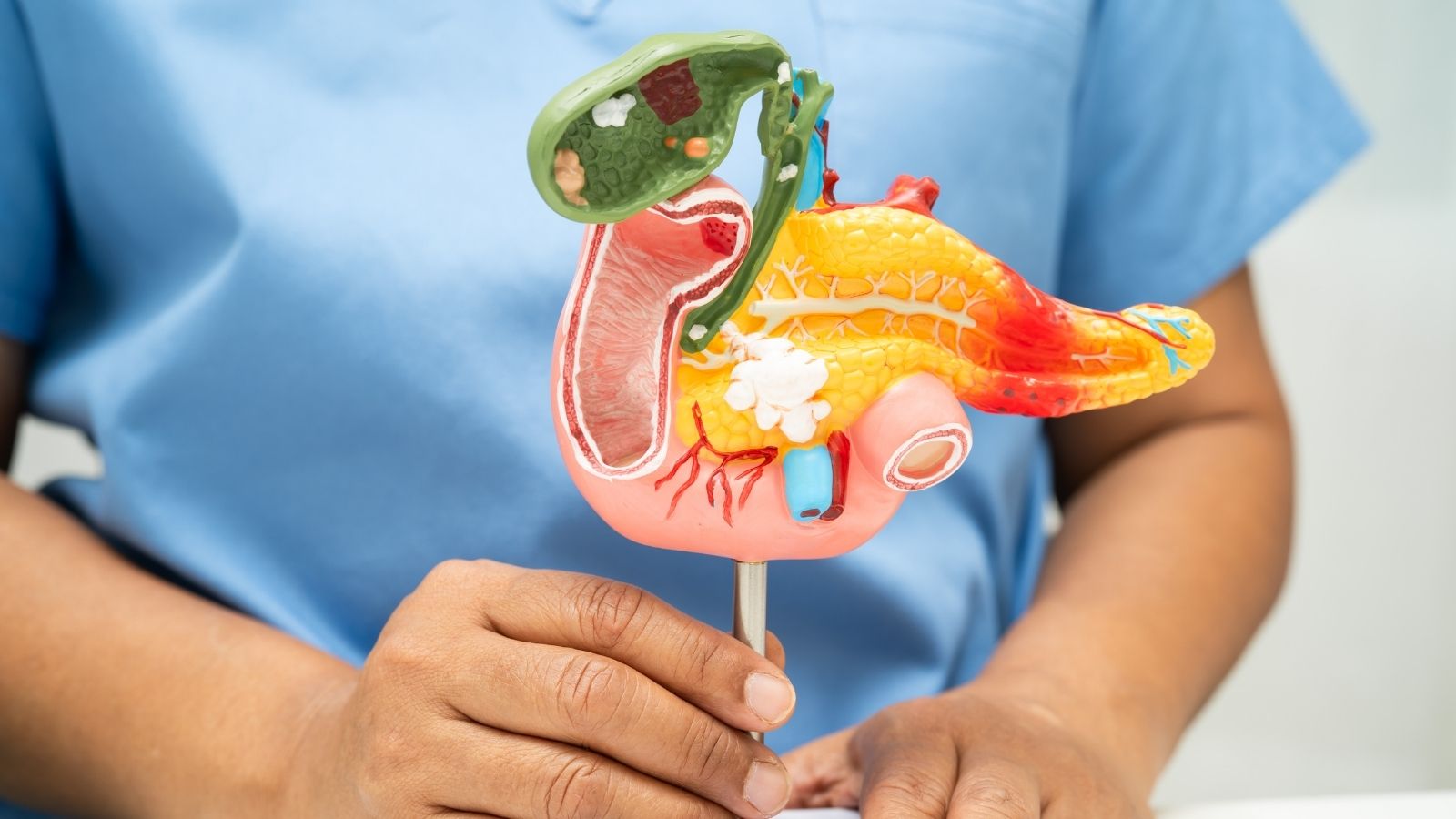
Gallbladder Surgery

Whipple Surgery

Liver Surgery

Liver Cyst Surgery

Distal Pancreatectomy Surgery
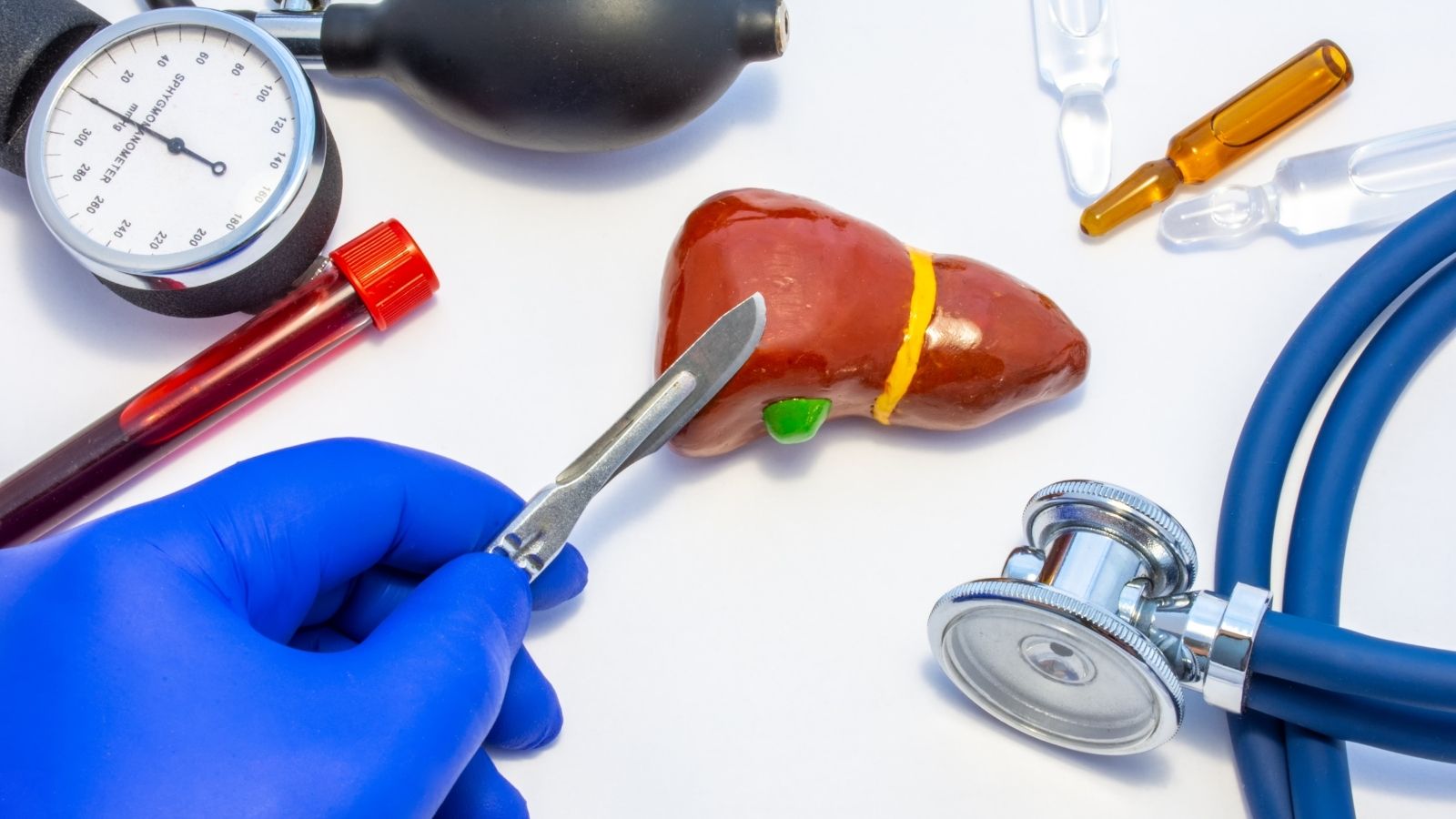
Hepatectomy Surgery

Hydatid Liver Cyst Surgery
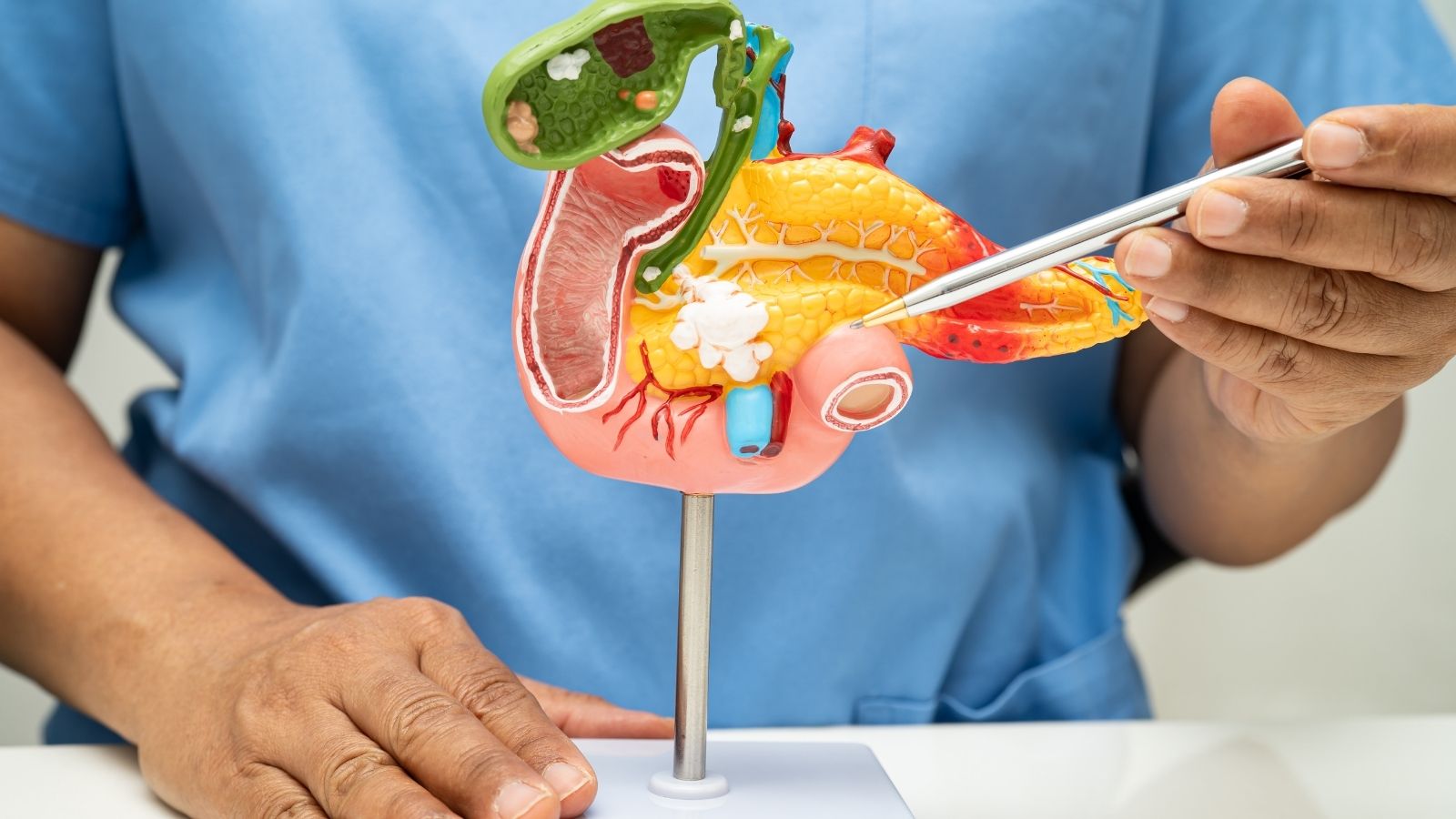
Pancreatic Cyst Surgery

Pancreatectomy
You can get information about Hepatopancreatobiliary Surgery prices, the process, and the hospital where Hepatopancreatobiliary Surgery is performed by contacting Assoc. Prof. Dr. Aydıncan, one of the doctors performing Hepatopancreatobiliary Surgery in Ankara.

Assoc. Prof. Dr. Aydıncan Akdur
General Surgery Specialist
I graduated from Cumhuriyet University Faculty of Medicine in 2002. In 2009, I completed my General Surgery specialization at Başkent University. After working at Elmadağ State Hospital, I began working at Başkent University; I became Assistant Professor in 2014 and Associate Professor in 2021. Between 2015 and 2022, I served as the Responsible Physician of the Kidney Transplant Center at Başkent University Konya Hospital. I have participated in more than 1,000 kidney transplants, nearly 300 liver transplants, and close to 2,500 surgeries.
Between 2022 and 2025, I provided services at Bayındır Healthcare Group.
Since 2023, I have been serving as the Head of the Department of General Surgery at Ankara Medipol University.
I am actively accepting patients at Ankara Private 100th Year Hospital and my private clinic.
About Me ContactWhat Is Hepatopancreatobiliary Surgery?
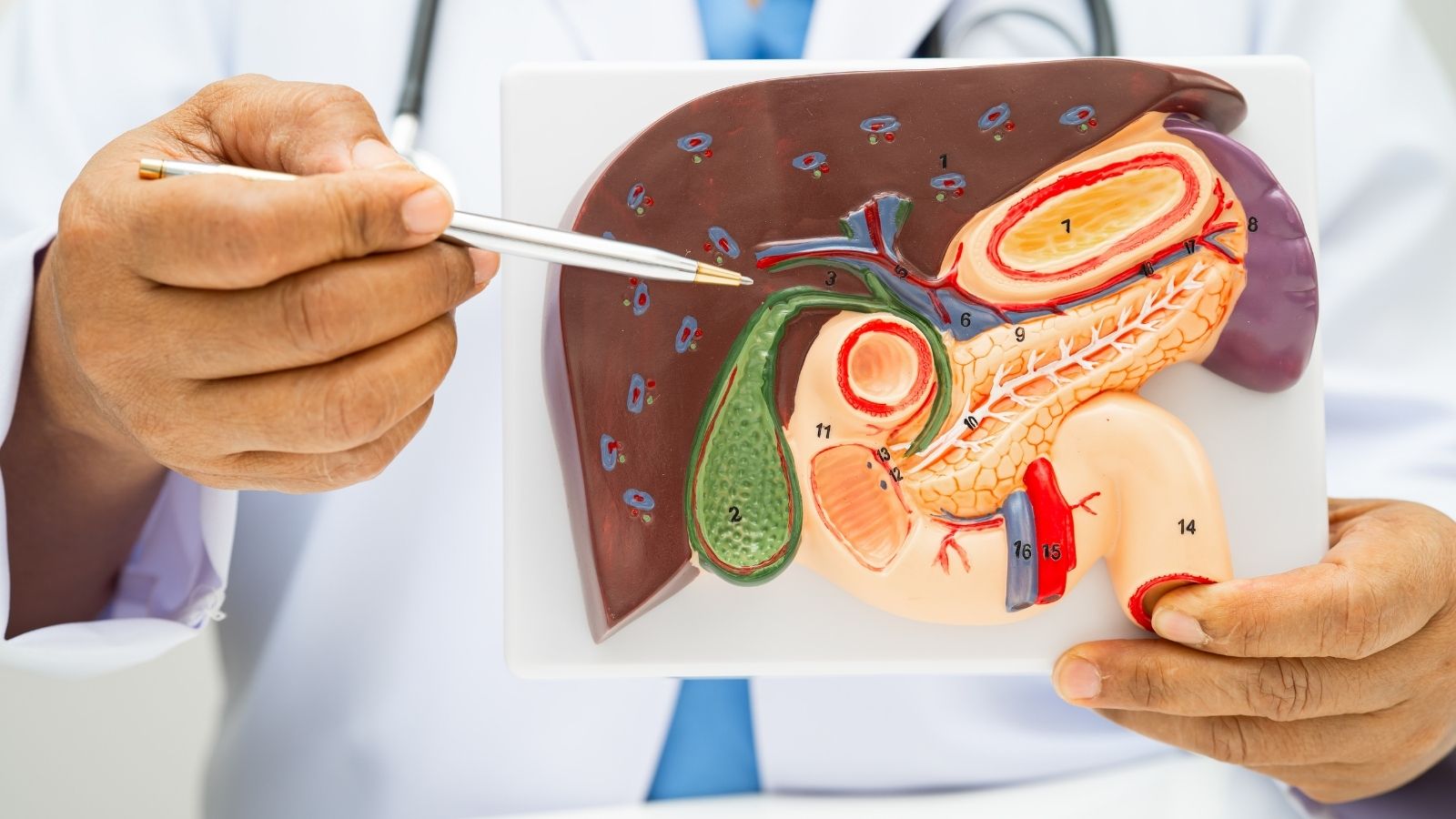
Hepatopancreatobiliary surgery is the specialty that deals with the surgical treatment of diseases of the liver (hepatic), pancreas, and bile ducts (biliary system). In this field, complex diseases such as liver tumors, gallbladder and bile duct diseases, pancreatic cancer, cysts, and stones are treated. Advanced surgical techniques, oncologic principles, and multidisciplinary approaches form the basis of this surgical branch. Interventions are generally high-risk operations requiring experience.
Which Diseases Does Hepatopancreatobiliary Surgery Deal With?
The scope of this surgical field is quite broad and includes both benign conditions and, unfortunately, cancers. In fact, almost all surgically requiring conditions affecting the organs in this region fall within the scope of this specialty.
Benign but potentially serious conditions include:
- Complicated stone diseases of the gallbladder and bile ducts
- Bile duct injuries and strictures
- Unbearable pain and complications caused by chronic pancreatitis
- Large, symptomatic benign tumors in the liver or pancreas (cysts, adenomas, etc.)
- Severe trauma and injuries to these organs
However, the most intensive and most critical focus of hepatopancreatobiliary surgery is cancer treatment. The main cancer types treated in this field are as follows:
- Primary cancers of the liver itself (Hepatocellular Carcinoma – HCC)
- Cancers that have spread to the liver from other organs (most commonly the colon) (metastases)
- Pancreatic cancer (Pancreatic Ductal Adenocarcinoma – PDAC)
- Rarer neuroendocrine tumors of the pancreas (PNET)
- Cystic tumors of the pancreas with potential to become cancerous (such as IPMN)
- Gallbladder cancer
- Bile duct cancer (Cholangiocarcinoma)
Each of these diseases presents its own challenges and requires a personalized, carefully planned surgical approach.
Is Successful Hepatopancreatobiliary Surgery Only Dependent on the Surgeon’s Skill?
The answer to this question is clear and definite: No. In modern medicine, especially in such a complex field, success can never be the work of a single person. Hepatopancreatobiliary surgery is like a symphony played in harmony by many specialists from different disciplines, led by the surgeon working like an orchestra conductor. Each instrument playing at the right time and with the right note determines the excellence of the final work. This teamwork continues at every moment of the treatment process, starting from the patient’s first application.
At the heart of this approach is the “Multidisciplinary Tumor Board,” which meets regularly and addresses the patient’s condition in all aspects. In this board, all of the patient’s imaging, tests, and pathology results are reviewed, and the most accurate treatment roadmap is drawn together. The key specialists supporting you on this complex journey are:
- Hepatopancreatobiliary Surgeon
- Medical Oncologist (manages chemotherapy and targeted drug treatments)
- Radiation Oncologist (plans and administers radiation therapy)
- Radiologist (interprets imaging methods such as CT and MRI)
- Interventional Radiologist (treats tumors or manages complications with non-surgical methods)
- Gastroenterologist (contributes to diagnosis and treatment with procedures such as endoscopy, EUS, ERCP)
- Pathologist (makes the definitive diagnosis by examining tissue samples)
- Specialized Nurses and Coordinators (ensure your treatment process runs smoothly)
In addition, for the immediate and effective management of complications that may occur after these surgeries (such as bile leakage, abscess, bleeding), the 24/7 readiness of interventional radiology and endoscopy units is indispensable for a modern HPB center. This forms a vital safety net for these patients.
What Are the Fundamental Goals in Hepatopancreatobiliary Cancer Surgery?
When a hepatopancreatobiliary surgical operation is planned due to cancer, our aim is not only to remove the tumor but to do so with strict adherence to oncologic principles. These principles are vital for the patient’s long-term survival and the chance of complete cure.
Our fundamental goals are:
- R0 Resection: This is the most sacred goal in this surgery. It means the complete removal of the tumor with “clean surgical margins,” together with a small amount of healthy surrounding tissue, leaving not a single cancer cell behind. Despite today’s most effective chemotherapy regimens, the key to a long and healthy life still lies in achieving this goal.
- Adequate Lymph Node Dissection (Lymphadenectomy): Cancer cells often use lymphatic pathways to spread. During surgery, the regional lymph nodes with potential for tumor spread must also be removed. This procedure has two main purposes. First, to eliminate possible foci where cancer may have spread (therapeutic); second, to determine the true stage of the disease through pathological examination of the removed lymph nodes and to decide whether additional postoperative treatment is needed (staging).
- Proper Patient Selection and Staging: We do not want to subject a patient who will not benefit to the risks and burdens of these major operations. Therefore, in addition to detailed preoperative imaging, a procedure called “staging laparoscopy” is sometimes performed. This is a kind of “final safety check” in which we enter the abdomen with a small camera to see whether there are very small metastases not visible on scans. If such spread is detected, the patient is spared an unnecessary major operation and is directed straight to systemic treatment (such as chemotherapy) that will be more beneficial.
Get in Touch with Us.
Click the button to contact us and request an online appointment. Our team will get in touch with you as soon as possible.
How Is Hepatopancreatobiliary Surgery Related to the Liver Performed?
The liver is one of the most astonishing organs in our body. Its capacity for self-renewal (regeneration) is extraordinary. Even if 70–75% of a healthy liver is removed, the remaining portion can grow within weeks to reach its former size and function. This miraculous feature offers us a unique opportunity in fighting liver cancers.
In liver surgeries (hepatectomy), there are basically two philosophies:
Anatomic Resection: The liver can be thought of like an orange divided into slices. Each slice (segment) has its own blood vessel and bile duct. In anatomic resection, the segment or segments containing the tumor are removed as a whole, together with the vessels and bile ducts of that region, adhering to anatomic planes.
Parenchyma-Sparing (Non-Anatomic) Resection: In this approach, the goal is to preserve as much healthy liver tissue as possible while achieving clean surgical margins. Especially in patients with an underlying liver disease such as cirrhosis or those who have received multiple courses of chemotherapy, this method may be preferred because the health and volume of the liver that will remain are of vital importance.
A classification is also made according to the magnitude of the surgery. Common major hepatectomy types are:
- Right Hepatectomy (removal of the right half of the liver)
- Left Hepatectomy (removal of the left half of the liver)
- Extended Right Hepatectomy (removal of the right half plus a portion of the middle part)
- Extended Left Hepatectomy (removal of the left half plus a portion of the middle part)
Sometimes there may be multiple tumors spread to both sides of the liver. In this case, very special strategies such as “two-stage hepatectomy” come into play. In the first operation, one side of the liver is cleared and the blood flow to the other side is interrupted with a special method (portal vein embolization). This triggers rapid growth of the liver portion that has been cleared and left behind. A few weeks later, when the liver reaches sufficient size, the other tumor-bearing portion is safely removed in a second operation.
In Which Situations Can Liver Transplantation Be a Hepatopancreatobiliary Surgery Option?
Liver transplantation is the most definitive and most effective treatment method, especially for liver cancers (HCC) that develop on the background of a chronic liver disease such as cirrhosis. The reason is very simple: Transplantation removes not only the cancerous tissue but also the entire diseased liver that caused the cancer. Thus, it eliminates the risk of a new cancer focus emerging in the same liver in the future.
However, since the number of donated organs is limited, very strict and fair rules apply for liver transplantation. Whether patients are eligible for this treatment is evaluated according to internationally accepted criteria determined by the number and size of tumors. The most well-known of these are:
- Milan Criteria
- UCSF Criteria
For a patient placed on the waiting list for transplantation, “bridging therapies” (such as tumor ablation or transarterial therapies) are applied to prevent tumor progression beyond criteria during the waiting period. Sometimes, the tumor may be slightly above criteria at the time of presentation. In this case, “downstaging therapies” may be tried to shrink the tumor and make the patient eligible for transplantation. Patients who respond positively to these treatments are thought to have better tumor biology, and their chances of success after transplantation are higher.
Are There Methods Other Than Hepatopancreatobiliary Surgery for Inoperable Liver Tumors?
Yes, there are. Some patients may not be suitable for major surgery due to serious comorbidities, inadequate liver function, or because the tumor is located in a very risky area. In this case, minimally invasive methods called “tumor ablation,” aimed at destroying the tumor in place, come into play. These methods are performed under imaging guidance (ultrasound or CT) by inserting a needle into the tumor through the skin.
The main ablation techniques are:
- Radiofrequency Ablation (RFA): The radiofrequency energy delivered from the tip of the needle heats the tumor tissue—essentially “cooking” it—and destroys cancer cells.
- Microwave Ablation (MWA): It creates much faster and higher temperatures using microwave energy. It may be more effective than RFA, especially for tumors close to large vessels.
- Irreversible Electroporation (IRE): This technology does not use heat. Instead, it delivers very short, high-voltage electrical currents to the tumor, creating permanent pores in the membranes of cancer cells and causing them to self-destruct. Since there is no risk of heat injury, it can be a safe option for tumors adherent to very delicate structures such as the main bile ducts or large vessels.
Which Hepatopancreatobiliary Surgery Is Performed for Pancreatic Head Cancers?
The standard surgical treatment for tumors of the pancreatic head and surrounding area (ampulla, duodenum, distal bile duct) is “pancreaticoduodenectomy,” commonly known as the “Whipple surgery,” one of the largest and most complex operations in general surgery. This operation consists of two main stages: wide removal of the tumor-bearing tissues (resection) and then restoring the continuity of the digestive system (reconstruction).
Removal (Resection) Stage: In this stage, the following organs are removed en bloc, including all adjacent tissues where the cancer may have spread:
- The head of the pancreas
- The entire duodenum
- The gallbladder
- The lower part of the main bile duct
- A portion of the stomach (sometimes the stomach can be preserved)
- Surrounding lymph nodes
The most delicate and most critical part of this stage is stripping the pancreatic tissue from the main artery (SMA) and vein (SMV/Portal Vein) located behind the pancreas and supplying the intestines.
Reconstruction Stage: After the organs are removed, the digestive system is essentially rewired. One end of the small intestine is brought up and sequentially reconnected to the remaining pancreatic tissue, the bile duct, and the stomach. Of these three new connections, the most delicate and the one with the highest risk of leakage (fistula) is the pancreatic connection. The care and experience the surgeon demonstrates while creating this connection directly affect the success of the postoperative period.
Get in Touch with Us.
You can request an online appointment by filling out the form. Our team will contact you as soon as possible.
How Is Hepatopancreatobiliary Surgery Performed for the Body and Tail of the Pancreas?
The surgery performed for tumors located in the middle (body) and left side (tail) of the pancreas is called “distal pancreatectomy.” One of the most important decisions in this surgery is whether the spleen, which is attached to the pancreatic tail, will be removed. This decision depends entirely on whether the tumor is benign or malignant.
Removal with the Spleen (Distal Pancreatectomy with Splenectomy): If the tumor is malignant, such as pancreatic cancer, the standard approach is to remove the spleen en bloc with the pancreas. This is because cancer cells in the pancreatic tail first spread to the lymph nodes around the spleen. The safest way to clear these lymph nodes is to remove the spleen as well.
Spleen-Preserving Distal Pancreatectomy: If the tumor is benign or a cyst with a very low risk of malignancy, then preserving the spleen becomes our priority. The spleen is an important organ for our immune system, and its removal can leave a person more vulnerable to certain serious infections for life. To preserve the spleen, either the spleen’s own vessels are meticulously preserved (Kimura technique) or reliance is placed on alternative blood vessels coming via the stomach (Warshaw technique).
How Is Hepatopancreatobiliary Surgery Planned for Gallbladder Cancer?
Gallbladder cancer is, unfortunately, a disease that often progresses silently and does not cause symptoms in the early stage. Therefore, a significant portion of cases are discovered incidentally after a simple gallbladder surgery (cholecystectomy) performed for another reason, such as gallstones, through pathological examination of the removed specimen. The result in the pathology report determines the patient’s entire subsequent treatment process.
The approach changes completely depending on the depth of invasion in the gallbladder wall (T stage).
Very Early Stage (Tis and T1a): If the tumor is only in the innermost layers, the simple cholecystectomy performed is sufficient and curative. Usually no additional surgery is required, and the chance of complete recovery is very high.
Advanced Stages (T1b, T2 and T3): When the tumor has reached the muscular layer or deeper, simple cholecystectomy is insufficient. In these patients, the risk of residual cancer cells in the liver bed and regional lymph nodes is very high. Therefore, the standard treatment for these patients is a second, larger complementary operation called “radical cholecystectomy.” The main components of this surgery are:
- Extended Liver Resection: Removal of the liver tissue adjacent to the gallbladder (usually Segments IVb and V).
- Regional Lymph Node Dissection: Removal of all lymph nodes around the main vessels going to the liver.
- Bile Duct Resection: If the tumor is close to the bile duct, removal of that duct as well.
Can Hepatopancreatobiliary Surgery Be Performed with Closed (Minimally Invasive) Methods?
Yes. In recent years, thanks to the possibilities offered by technology, many of these very large and complex operations can now be performed with minimally invasive methods, namely laparoscopic or robotic surgery. The basic philosophy of this approach is to perform the same operation by placing a camera and special instruments through a few small incisions instead of making a large abdominal incision. The aim is to minimize surgical trauma without compromising oncologic success compared to open surgery.
There are proven advantages of minimally invasive surgery for patients:
- Less postoperative pain
- Less blood loss
- Smaller scars and better cosmetic results
- Lower risk of wound infection and hernia
- Shorter length of hospital stay
- Faster return to daily life and work
- Earlier initiation of postoperative chemotherapy when needed
Robotic surgery, in particular, provides the surgeon with great precision and control, especially in narrow and deep areas, thanks to its high-resolution 3D imaging, elimination of hand tremor, and articulated arms capable of movements the human wrist cannot perform. For example, success rates of robotic surgery can be higher in delicate operations such as spleen-preserving distal pancreatectomy. However, it should not be forgotten that these advanced-technology operations require a very serious learning curve and experience. Therefore, they should only be performed by specialized surgeons in experienced centers with high case volumes.
Are There Special Programs to Speed Up Postoperative Recovery?
Yes. In modern surgery, evidence-based and holistic care protocols known as “Enhanced Recovery After Surgery (ERAS)” are applied. ERAS is a philosophy that aims to speed up recovery by minimizing the stress of surgery and preserving the body’s natural balance, setting aside old habits and traditional practices. This is a team effort involving not only the surgeon but also anesthesia, dietitians, physiotherapists, and nurses.
The basic components of the ERAS protocol can be examined in three stages.
Preoperative Period:
- Detailed patient information and preparation for the process
- Assessment of nutritional status and support if necessary
- Avoidance of prolonged fasting
- Administration of special carbohydrate drinks a few hours before surgery
Intraoperative:
- Selection of anesthesia methods that place the least burden on the body
- Avoidance of opioid (morphine-like) painkillers as much as possible
- Maintaining normal body temperature
- Providing only the necessary amount of fluid in a controlled manner
Postoperative Period:
- Removal of catheters and drains as soon as possible
- Getting the patient out of bed and walking on the day after surgery
- Starting oral nutrition as soon as possible
- Effective, non-opioid pain control
Thanks to these protocols, patients’ hospital stays are shortened, complication rates decrease, and overall recovery processes become much more comfortable.
How Does Preoperative Chemotherapy Affect the Success of Hepatopancreatobiliary Surgery?
In the traditional approach, the patient would undergo surgery first and then receive preventive chemotherapy (adjuvant treatment). However, in modern oncology, especially in some cases such as pancreatic cancer, this sequence has been reversed. The approach of giving chemotherapy and/or radiotherapy before surgery is called “neoadjuvant therapy,” and this strategy has many important advantages:
The fundamental rationale and benefits of neoadjuvant therapy are:
- Eliminating Invisible Cancer Cells: Cancer may often have spread microscopically (micrometastases) throughout the body at the time of diagnosis. These invisible cells are the main cause of postoperative recurrences. Neoadjuvant therapy aims to reach these cells at the earliest time and destroy them.
- Testing the Tumor’s Biology: This treatment process provides valuable information about the tumor’s character. It is like a “biological test drive.” A tumor that responds well to treatment is understood to have better biology, whereas a tumor that progresses despite treatment is more aggressive. This helps us understand who will benefit most from surgery.
- Increasing the Success of Surgery: Especially in “borderline resectable” tumors that are very close to or adherent to major vessels, neoadjuvant therapy can shrink the tumor and separate it from the vessels. This significantly increases the surgeon’s chance of removing the tumor with clean margins (R0 resection).
- Ensuring Completion of Treatment: After major surgery, some patients may not receive the preventive chemotherapy they need at all, or may have to stop it halfway due to complications or slow recovery. Moving treatment earlier ensures that the patient receives systemic therapy.
Frequently Asked Questions
Which organs does hepatopancreatobiliary surgery cover?
Hepatopancreatobiliary surgery covers the surgical treatment of diseases of the liver (hepatic), pancreas, and biliary tract system. This field generally includes complex and advanced operations.
In which diseases is hepatopancreatobiliary surgery applied?
Diseases such as liver tumors, gallbladder cancer, bile duct strictures, pancreatic cancer, and hydatid cyst fall within the scope of this surgery. It can be applied in both benign and malignant lesions.
Who can undergo surgical treatment for pancreatic cancer?
Surgical treatment is possible when pancreatic cancer is detected at an early stage. The most important criterion for surgery is that the tumor has not spread to surrounding vessels or distant organs.
Which surgical methods are used for liver tumors?
Liver resection, laparoscopic surgery, and liver transplantation are commonly used methods. The choice of treatment is determined by the size and location of the tumor and the overall function of the liver.
What is the recovery process like after hepatopancreatobiliary surgery?
The postoperative recovery process usually takes 4–8 weeks. Intensive care follow-up may be required in the first days. The diet plan and liver function tests are monitored regularly.
What is Whipple surgery and who is it performed for?
Whipple surgery is a complex procedure in which the pancreatic head, bile ducts, and a portion of the duodenum are removed. It is generally performed in patients with pancreatic or bile duct cancer.
What should be considered in nutrition after hepatopancreatobiliary surgery?
After surgery, low-fat, protein-rich meals in small portions are recommended. Digestive enzyme support may be needed. Alcohol and heavy fatty foods should be strictly avoided.
What are the complications after hepatopancreatobiliary surgery?
Bile leakage, infection, bleeding, and liver function disorders are common complications. In surgeries performed by experienced surgeons, these risks are minimized.
Is liver transplantation within the scope of hepatopancreatobiliary surgery?
Yes, liver transplantation is one of the most advanced applications in this field. It is a life-saving treatment option in diseases such as cirrhosis, liver failure, or malignant tumors.
How should the follow-up process be after hepatopancreatobiliary surgery?
During follow-up, liver function tests, tumor markers, and imaging methods are performed regularly. In the first year, a check-up every 3 months is recommended; later, the intervals can be extended.